
Ocean Masterclass Blog
Explanations, background, and advice for curious students.
Latest articles

Why the sea is salty and not getting saltier
Rivers carry about four billion tonnes of dissolved salt into the sea every year, and the sea has been receiving it for most of the age of the Earth. It is not getting saltier, because salt leaves as fast as it arrives. Here is where it comes from, where it goes, and how long each ion stays.
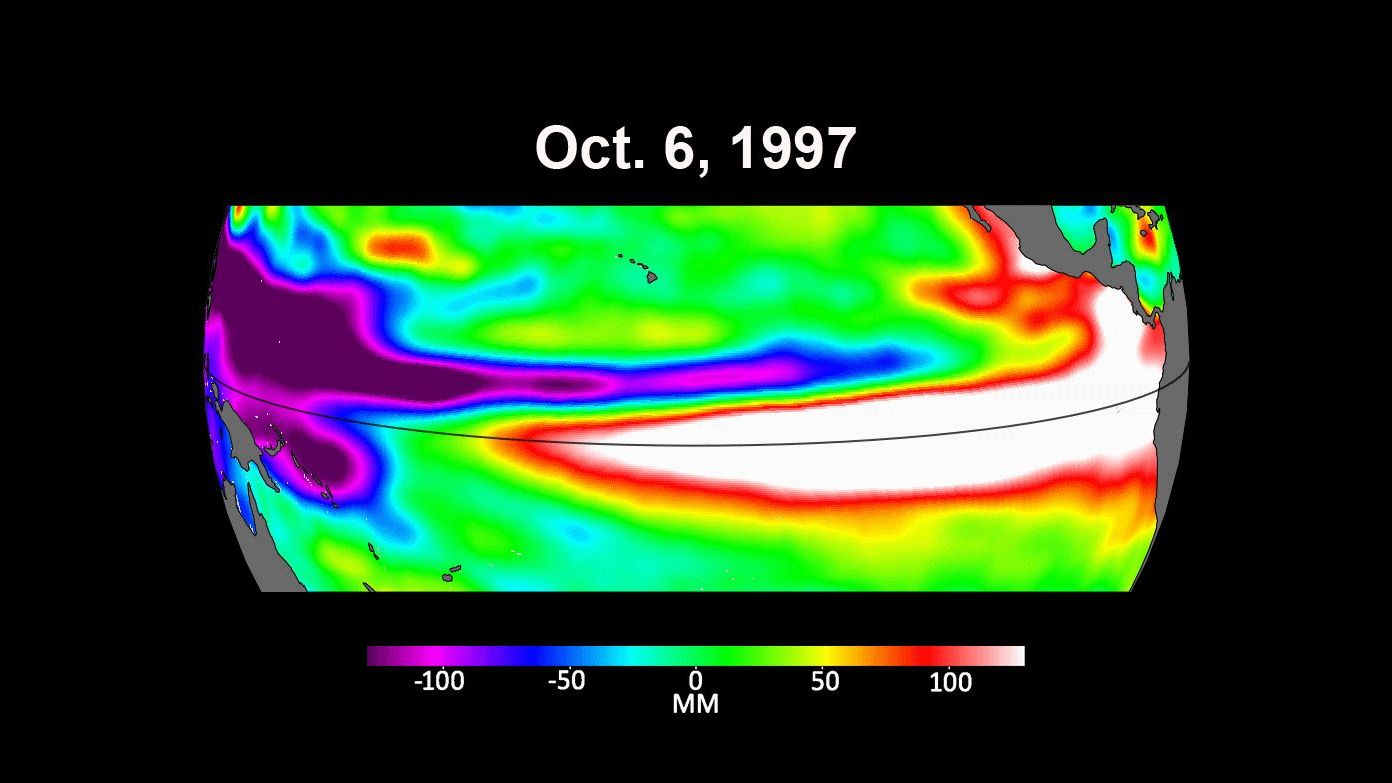
What El Niño actually is
El Niño is a conversation between the tropical Pacific and the winds above it. The thermocline tilts, the trade winds weaken, a wave crosses the ocean in two months, and a year later the rains of three continents have moved.
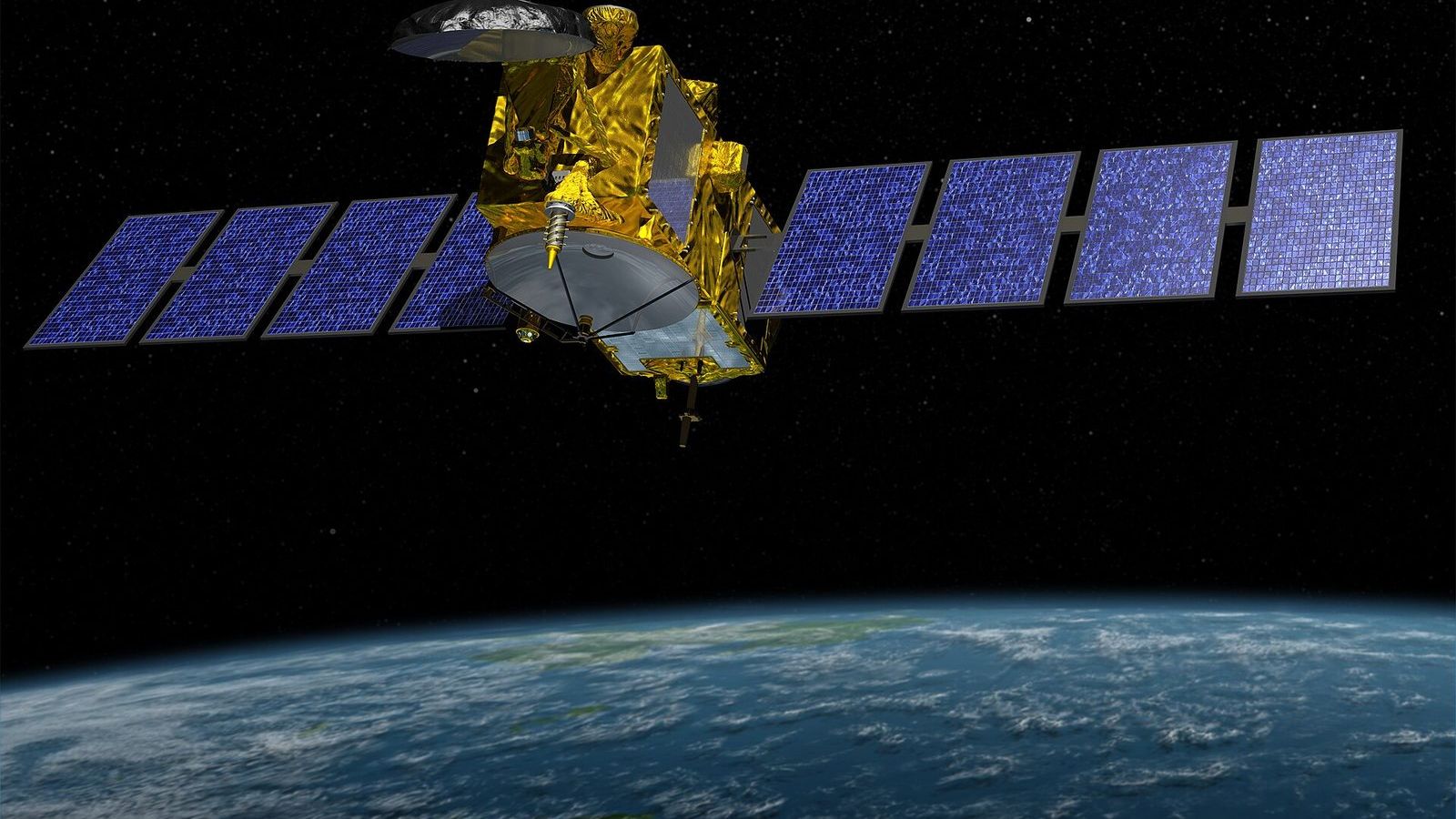
How a satellite measures a current it cannot see
A radar altimeter 1,300 km up measures the height of the sea to a few centimetres. Because the ocean is on a rotating planet, that height map is also a map of the currents, and a one-metre hill in the Atlantic turns out to be the Gulf Stream.
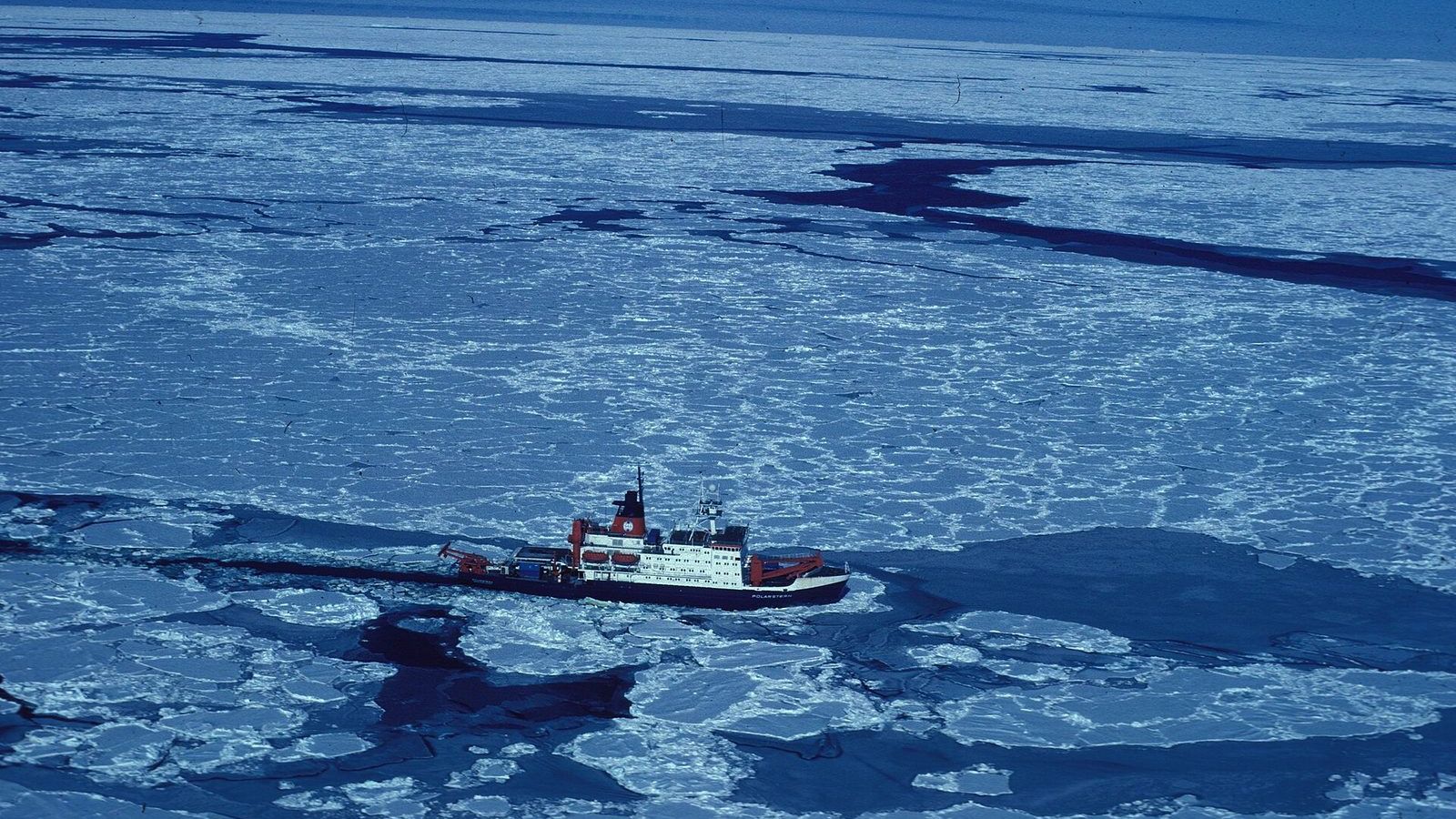
The thousand-year loop of a drop of deep water
Water that sinks in the Labrador Sea this winter will surface again in the North Pacific about a thousand years from now. The route, the speeds, and the radiocarbon clock that times the loop.
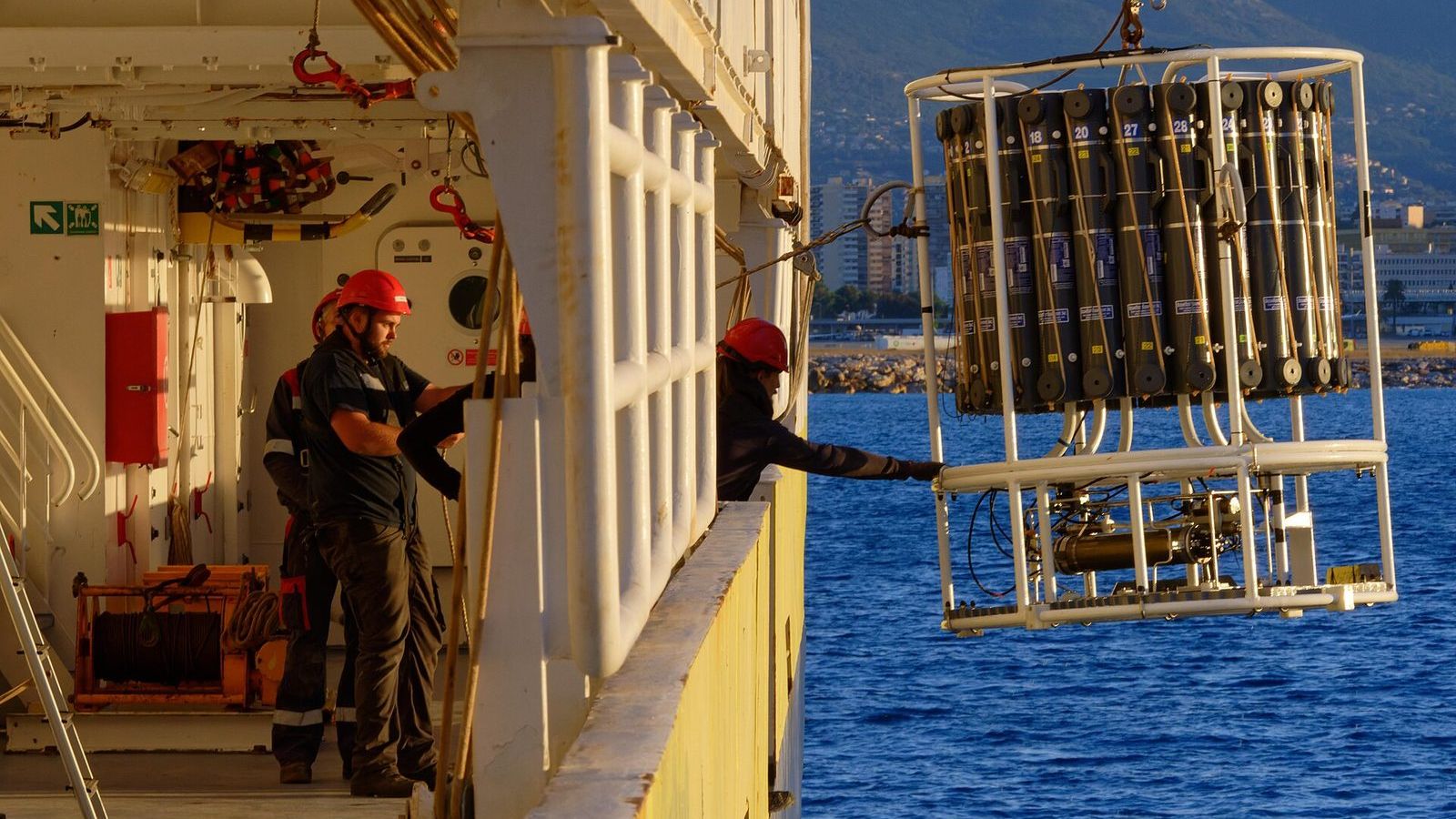
How to read a temperature and salinity profile
A profile is the basic picture of physical oceanography: temperature or salinity plotted against depth, with depth going down the page. Here is how to read one, line by line, using typical values from the Bermuda time series.
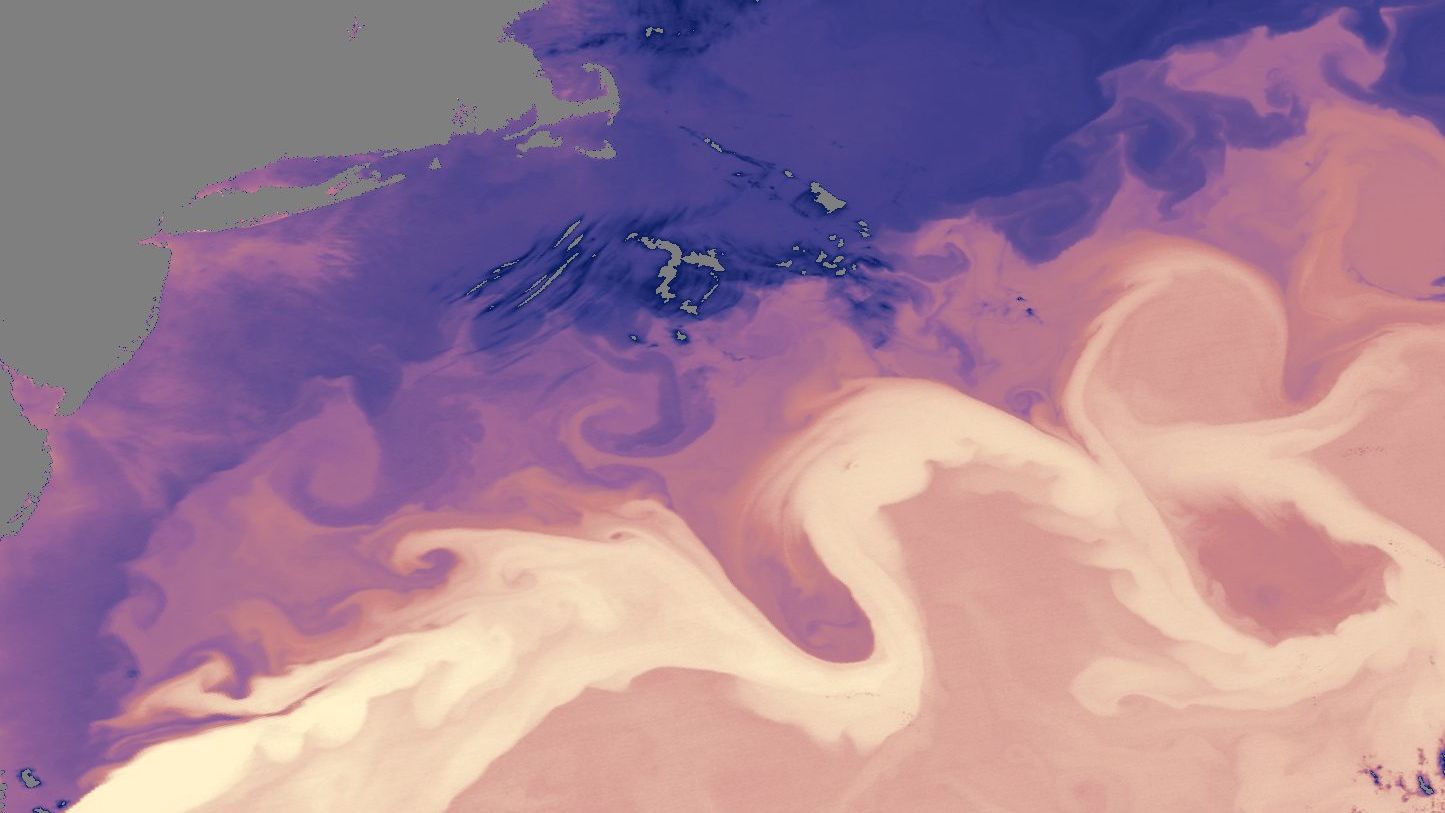
Why the Gulf Stream hugs America and not Europe
Every ocean basin has a narrow, fast current on its western side and a broad, slow one on its eastern side. Henry Stommel explained why in 1948 with a model simple enough to fit on a page, and the reason is that the Earth is round and spinning.
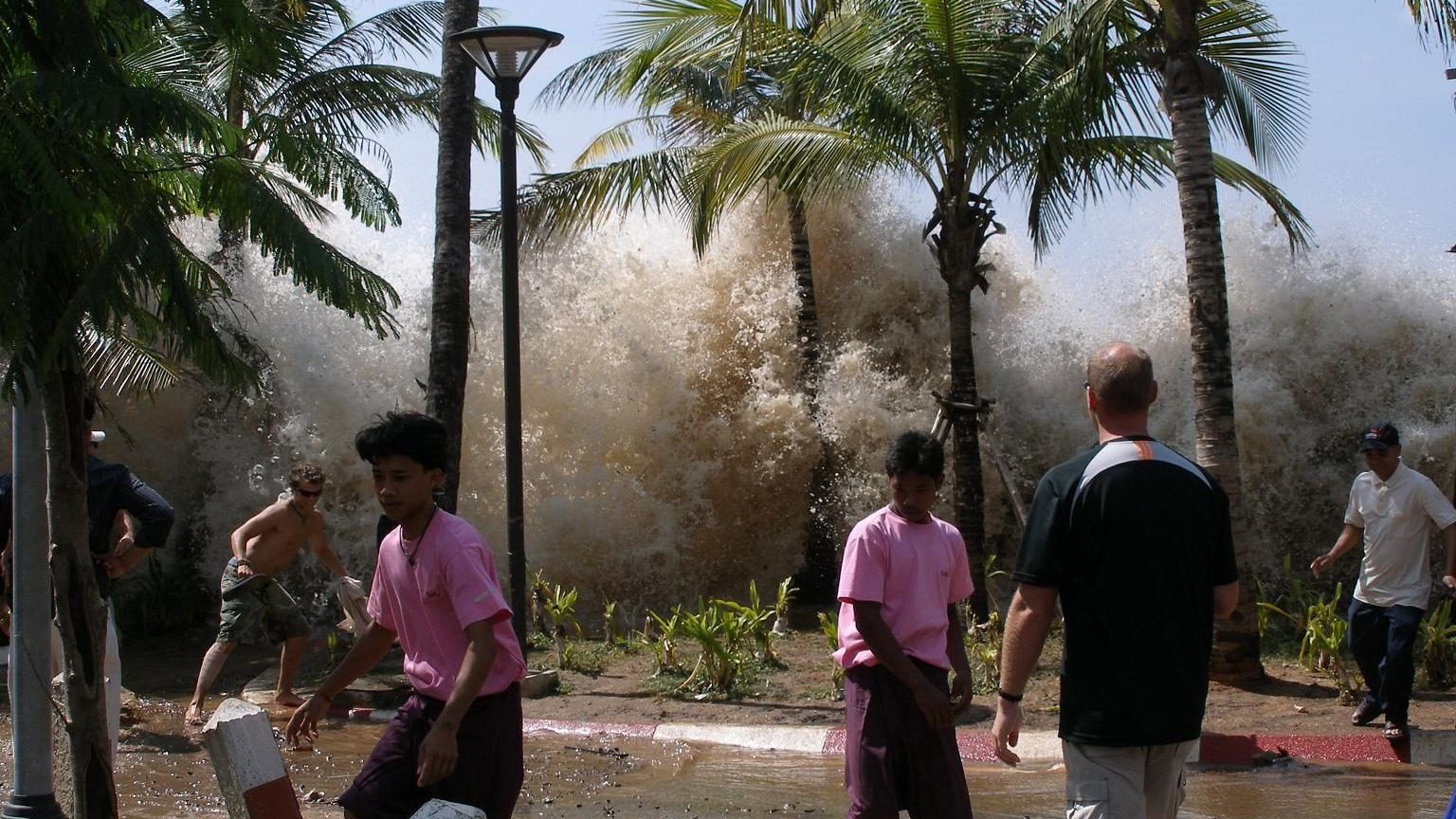
How fast does a tsunami travel?
Over 4,000 m of water a tsunami moves at about 700 km/h, the speed of an airliner, and you would not notice it passing under a ship. The formula is one line long, and the arrival times of 26 December 2004 check it to within minutes.

Why the tide comes in twice a day
The Moon pulls the near side of the Earth harder than the far side, and the difference, not the pull itself, is the tide. That is why there are two bulges, why high water comes 50 minutes later each day, and why the Moon beats the Sun although the Sun pulls far harder.
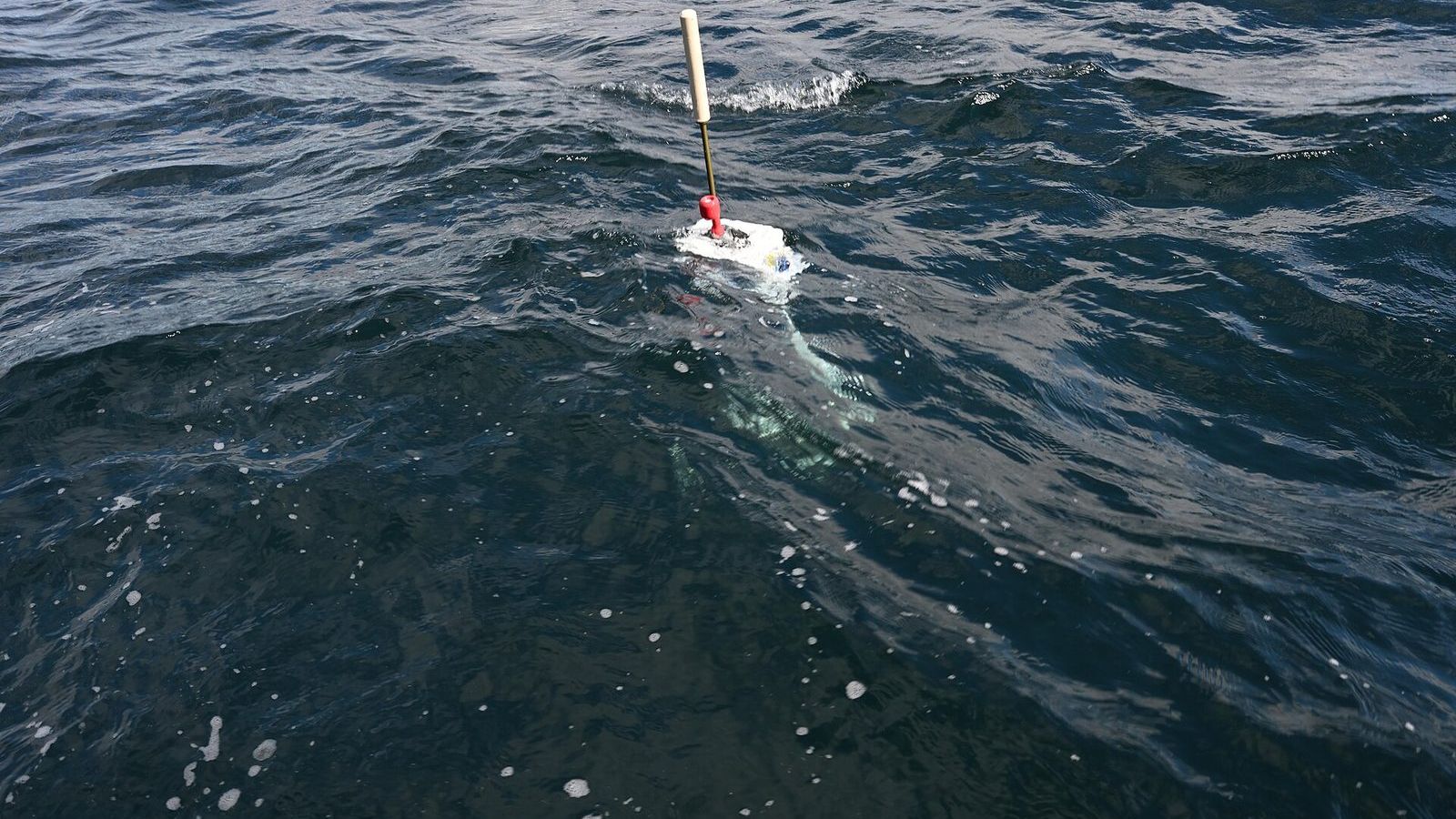
What 4,000 robots tell us about the warming ocean
Since the early 2000s, Argo floats have drifted through every ocean, sinking to 2,000 m and rising again every ten days. Their profiles of temperature and salinity show where the heat of global warming is going, and the answer is mostly the sea.