
Research presented in the program
Established physics and chemistry are the foundation. The research spotlights show what is being built on them now: each unit presents the published work of a leading oceanographer and links to the original paper.
The scientists named here are not contributors to the Ocean Masterclass, are not affiliated with it, and have not endorsed it. The program presents and explains their published research, with references to the original papers.
Research spotlights
Dean Roemmich
Physical oceanography, ocean observing systems, and the Argo programme
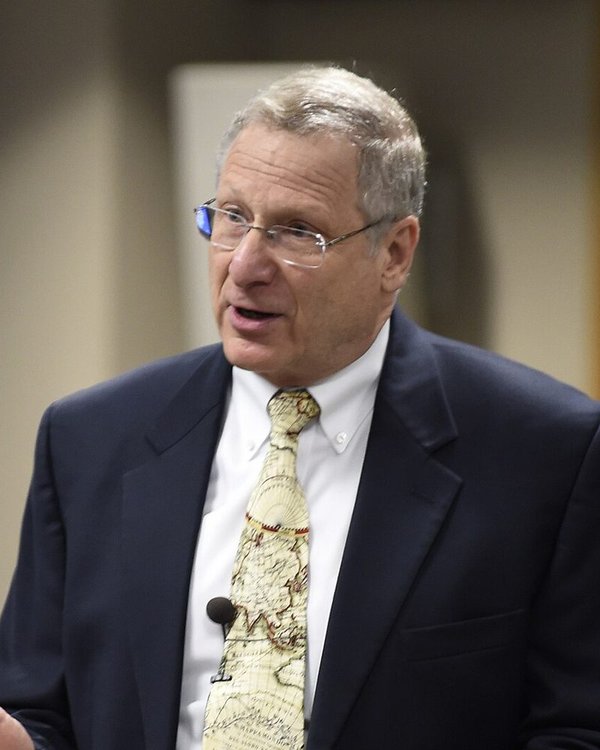
Larry Mayer
Ocean mapping, multibeam sonar, and the geology of the seafloor
Paul J. Durack
Ocean salinity, the global water cycle, and climate model evaluation
Lijing Cheng
Ocean heat content, the Earth's energy imbalance, and ocean observing data
Kerry Emanuel
Tropical cyclones, the potential intensity theory, and hurricane risk in a changing climate
Erik van Sebille
Physical oceanography of the surface ocean, Lagrangian modelling, and the transport of floating plastic
Francesco Fedele
Nonlinear water waves, the statistics of extreme ocean waves, and wave mechanics
Vasily Titov
Tsunami modelling, deep-ocean tsunami detection, and real-time tsunami forecasting
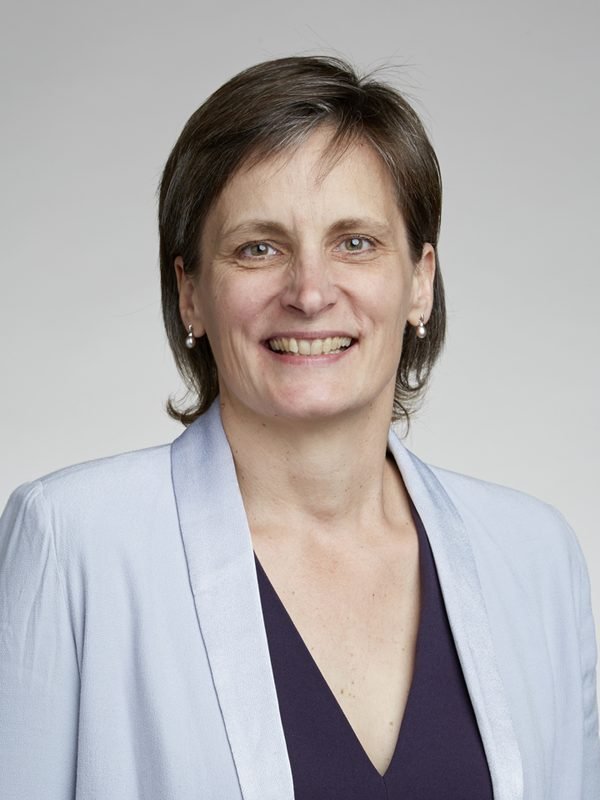
Corinne Le Quéré
Global carbon cycle, ocean carbon sink, carbon budgets
Nicolas Gruber
Ocean biogeochemistry, the oceanic uptake of anthropogenic carbon
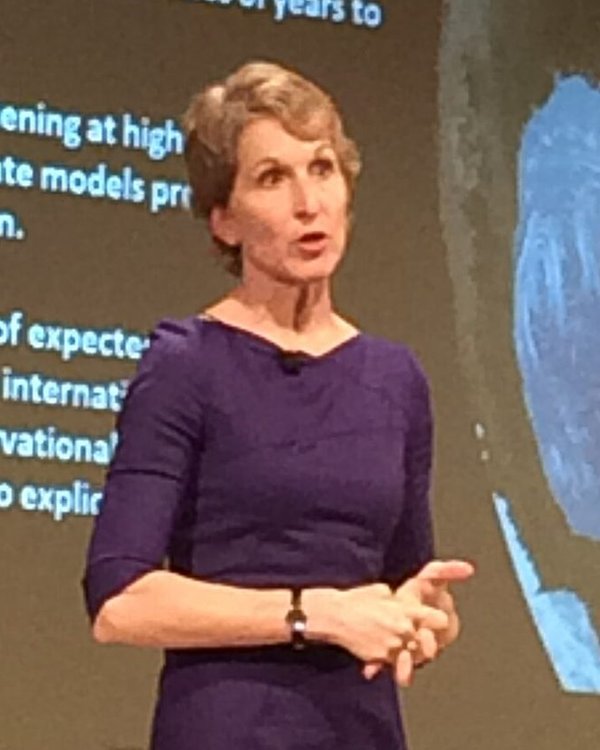
M. Susan Lozier
Large-scale ocean circulation, the Atlantic overturning and its observation
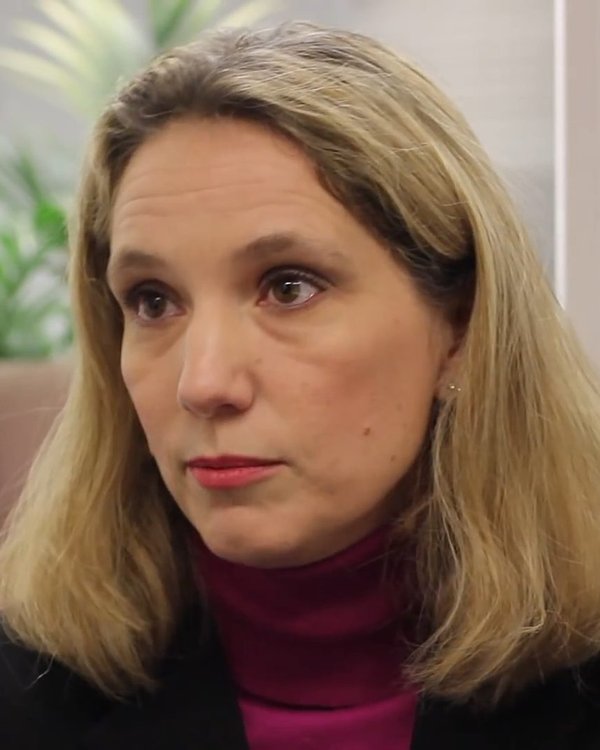
Emily Shuckburgh
Ocean and climate dynamics, mixing by eddies, environmental data science
Steven J. Bograd
Physical oceanography of eastern boundary upwelling systems and their response to climate change
Michelle L'Heureux
ENSO monitoring and prediction, seasonal climate forecasting
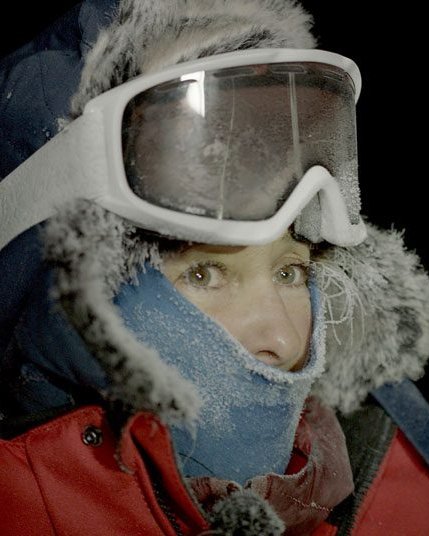
Julienne Stroeve
Sea ice and climate, satellite remote sensing of the polar regions
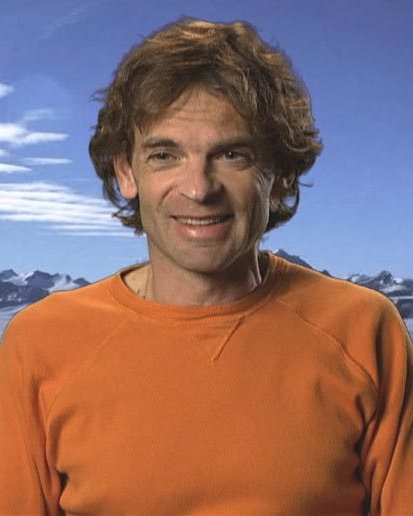
Eric Rignot
Glaciology, satellite radar interferometry, the ice sheets and the ocean
Lorraine E. Lisiecki
Palaeoclimatology, the Pliocene and Pleistocene ice ages, time scales for marine sediment records
Luke C. Skinner
Palaeoclimatology, radiocarbon in the ocean, deep-ocean ventilation and the carbon cycle
Jessica E. Tierney
Palaeoclimatology, organic geochemical proxies, data assimilation of past climates
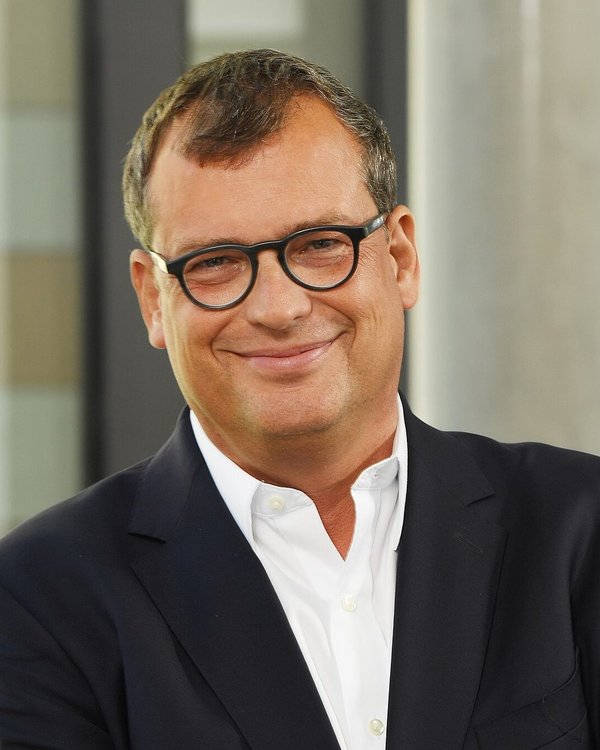
Gerald H. Haug
Palaeoceanography, the ocean's role in the onset of the ice ages and in the glacial carbon cycle
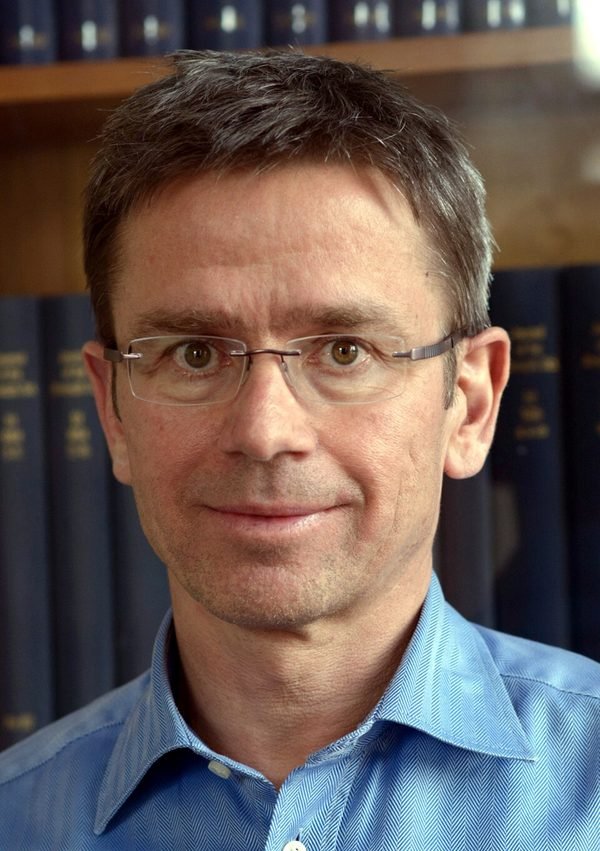
Stefan Rahmstorf
Physical oceanography and climate dynamics, the stability of the Atlantic overturning circulation
Alan M. Haywood
Palaeoclimate modelling, the Pliocene, climate sensitivity
Thomas Westerhold
Palaeoceanography, astronomical time scales, Cenozoic climate
Science is something people do
A formula can look as if it had always been there. The spotlights show that the questions are open, that the methods of each unit are in use today, and who is using them. For every unit you also receive a reading list with further papers that are free to read.