 Image: Kim Dornic (IFREMER, Pôle média & web, Centre Bretagne - ZI de la Pointe du Diable - CS 10070 - 29280 Plouzané) Kim Dornic (IFREMER, Pôle média & web, Centre Bretagne - ZI de la Pointe du Diable - CS 10070 - 29280 Plouzané) (CC BY 4.0)
What you can do with a degree in oceanography
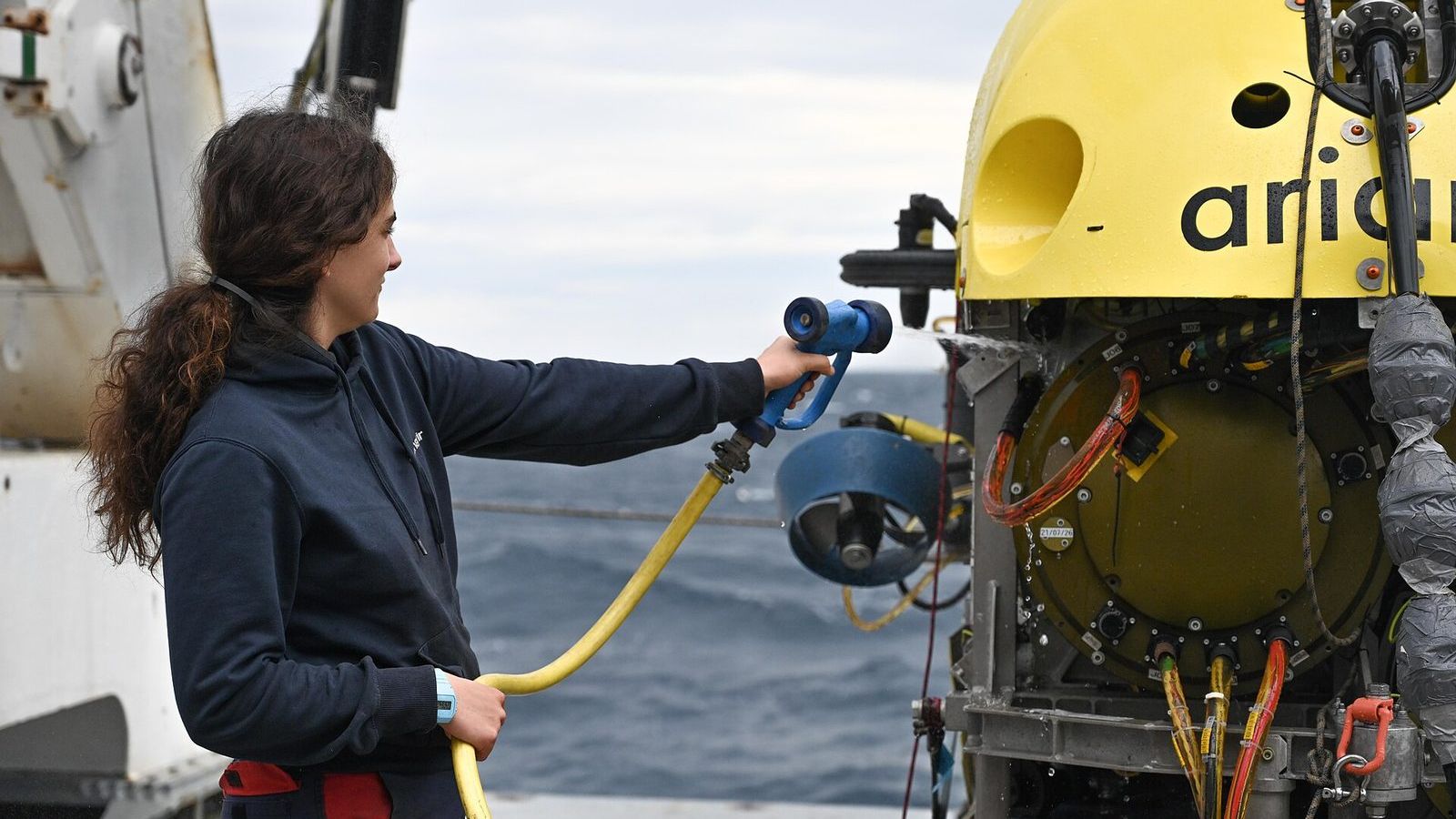
The picture most people have of an oceanographer is a person on the deck of a ship in bad weather, and it is true for about three weeks a year. The rest of the year the same person is at a desk, writing code to read the data the ship collected, or in a laboratory measuring the water it brought back, or teaching. The field is small, a few tens of thousands of people worldwide who would call themselves oceanographers, and it is spread across universities, government agencies, weather and hydrographic services, survey and energy companies, and a growing number of firms that sell ocean data. Here is what the work looks like, told honestly.
Seven jobs
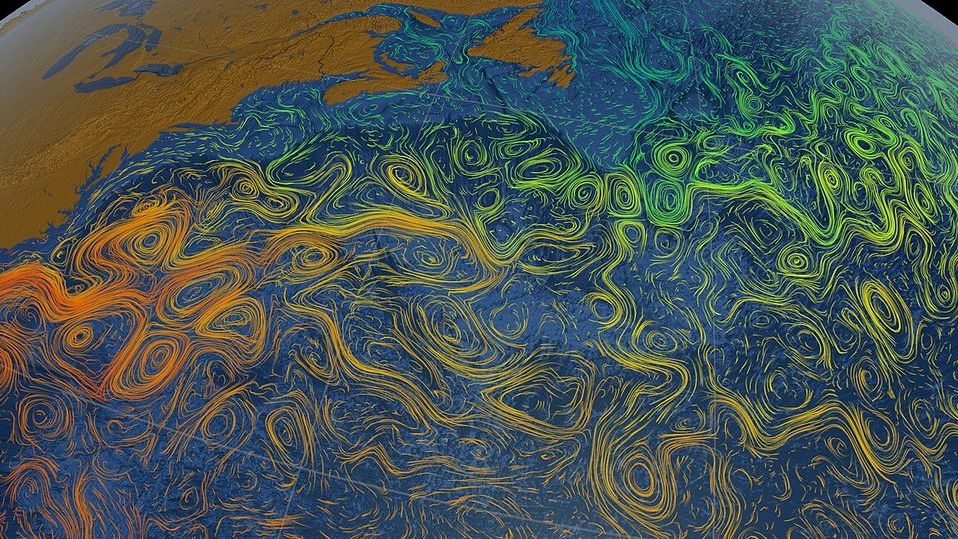
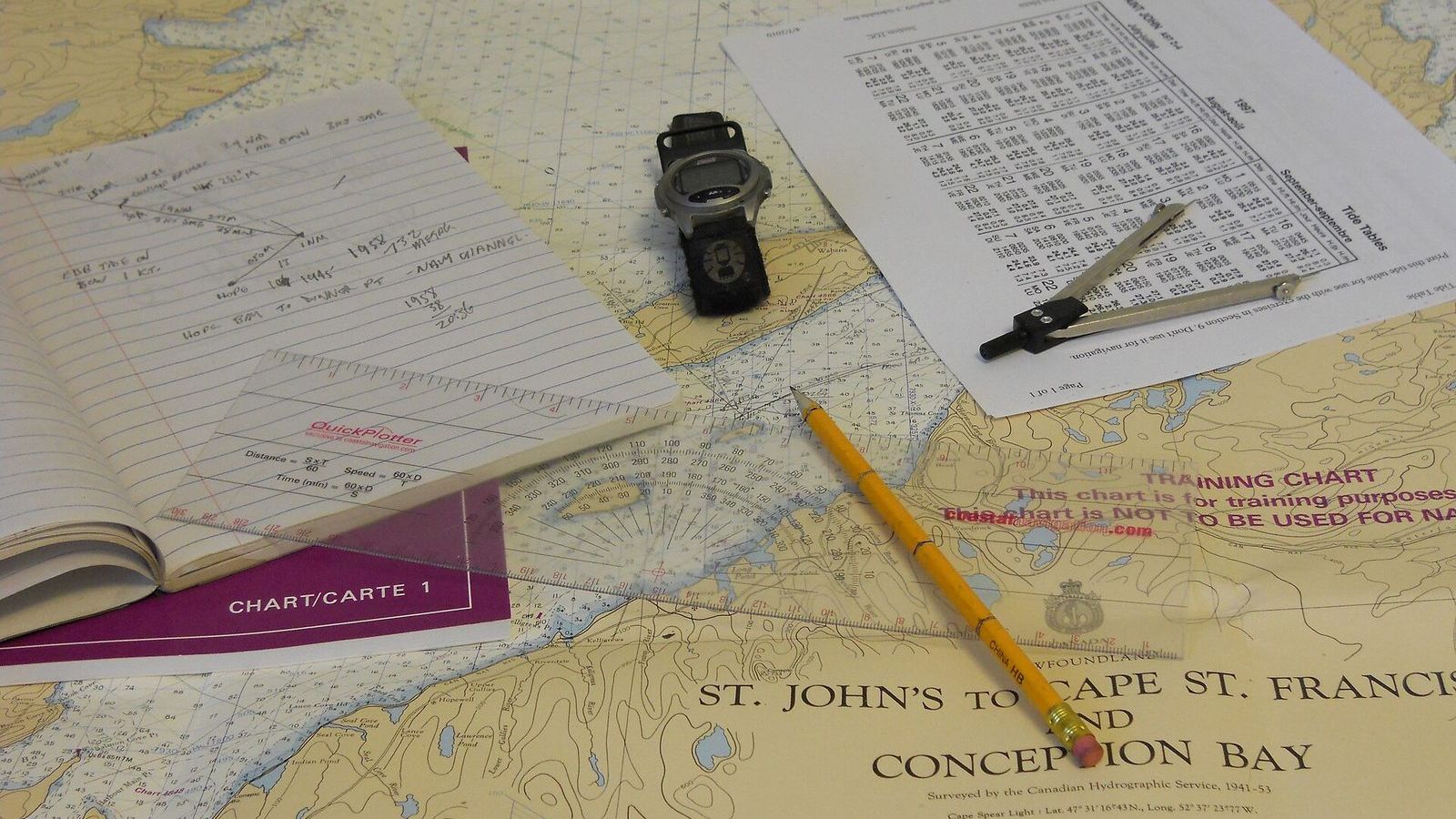
A physical oceanographer at a university or an institute such as Woods Hole, Scripps, GEOMAR in Kiel, or Ifremer in Brest studies the currents, waves, and mixing of the sea, writes proposals for ship time and funding, goes to sea for two to six weeks every year or two, and spends most days analysing data and running models in Python or MATLAB. A seagoing technician at the same institutions keeps the instruments working, deploys the CTD rosette and the moorings, and spends four to six months a year at sea, which is the job for someone who wants the ship more than the desk. A hydrographic surveyor at a national agency such as the UK Hydrographic Office or a survey company maps the seafloor for charts, cables, wind farms, and ports, with multibeam sonar from ships and small boats, and spends long stretches offshore in the field season. An operational oceanographer at a weather or marine service such as the Met Office, Météo-France, or NOAA runs the forecast models of waves, currents, storm surge, and sea ice that shipping, fisheries, and coastal authorities depend on, and almost never goes to sea. A palaeoceanographer at a geological survey or a university reads sediment cores, which means a few weeks on a drilling ship every few years and months in a clean laboratory with a mass spectrometer. A climate modeller at a national laboratory builds and runs the ocean part of the Earth system models, which is a job in physics and software that happens to be about the sea. And an ocean data scientist at a space agency, a data company, or an insurer turns satellite and float data into products, with the skills of any data scientist applied to a subject that is three quarters of the planet.
The degree routes
Few people study oceanography as a first degree, and most of the field would advise against it. Oceanography is physics, chemistry, geology, and biology applied to the sea, and the usual route is a first degree in one of those, or in mathematics, geography, or engineering, with ocean options where they exist, followed by a master's in oceanography or marine science, and for research a doctorate. A strong physics or mathematics degree is the best start for the physical and modelling side, because the fluid dynamics and the statistics cannot be picked up later as easily as the ocean can. Chemistry leads to the carbon cycle and the proxies; geology to marine geology and palaeoceanography; engineering to instruments, surveying, and the offshore industry.
Field courses and summer schools matter more than grades in getting the first position, because they show that you have been on a boat and want to go again. The summer student fellowships at Woods Hole and Scripps, the courses at the Bermuda Institute of Ocean Sciences, the Partnership for Observation of the Global Ocean's centre of excellence for students from developing countries, the floating university programmes of several countries, and the outreach berths on repeat hydrography cruises all take undergraduates. The International Ocean Discovery Program has taken teachers and students to sea on its drilling expeditions for decades. Ask early, because the berths are allocated a year ahead.
The skills that get the job
Every research group and most employers will look for the same list. A programming language, Python above all, and the habit of keeping code in version control. Statistics and time series analysis, because the ocean is noisy and the signal is small. Geographic information systems for anyone near the seafloor or the coast. Experience with instruments, small boats, and ships, including the safety courses that let you go offshore. Laboratory geochemistry for the chemical and palaeo routes. And writing, because the proposal and the paper are how the work gets funded and known. The subject knowledge of this masterclass is assumed; the skills are what distinguish the candidates who have it.
The honest numbers
Most people who take a doctorate in oceanography do not become professors, and it is better to know that at the start. The Royal Society's 2010 study of science careers in the United Kingdom found that of those who complete a science PhD, about 30 per cent go on to a first research post, about 3.5 per cent reach a permanent research position in a university, and about 0.45 per cent become professors. Oceanography is no exception. The rest go to the agencies, the services, the companies, the schools, and the many jobs that use a quantitative training on a real system, and most of them report that the degree was worth having. The field pays like the public sector it mostly is: a living, not a fortune. The time at sea, for those who want it, is a few weeks a year on a ship with sixty people, twelve-hour watches, and an internet connection that works some of the time, and most who have done it once arrange to do it again.
Where to look
The Oceanography Society publishes career profiles of working oceanographers in its open-access magazine, and the job boards of the Woods Hole Oceanographic Institution and the Scripps Institution of Oceanography show what positions exist and what they ask for. Read twenty advertisements and you will know which of the seven jobs above you are aiming at, and which three skills to learn first.
The Ocean Masterclass's olympiad and careers page sets out the degree routes, the summer schools, and the skills in more detail, and maps the sixteen units onto the branches of the field. Unit 16, the last of the program, ends with the student's own route into palaeoceanography and the data archives where the work begins. The full list of units is in the curriculum.